

Call us: 866-RITA-TOW

Quick Summary
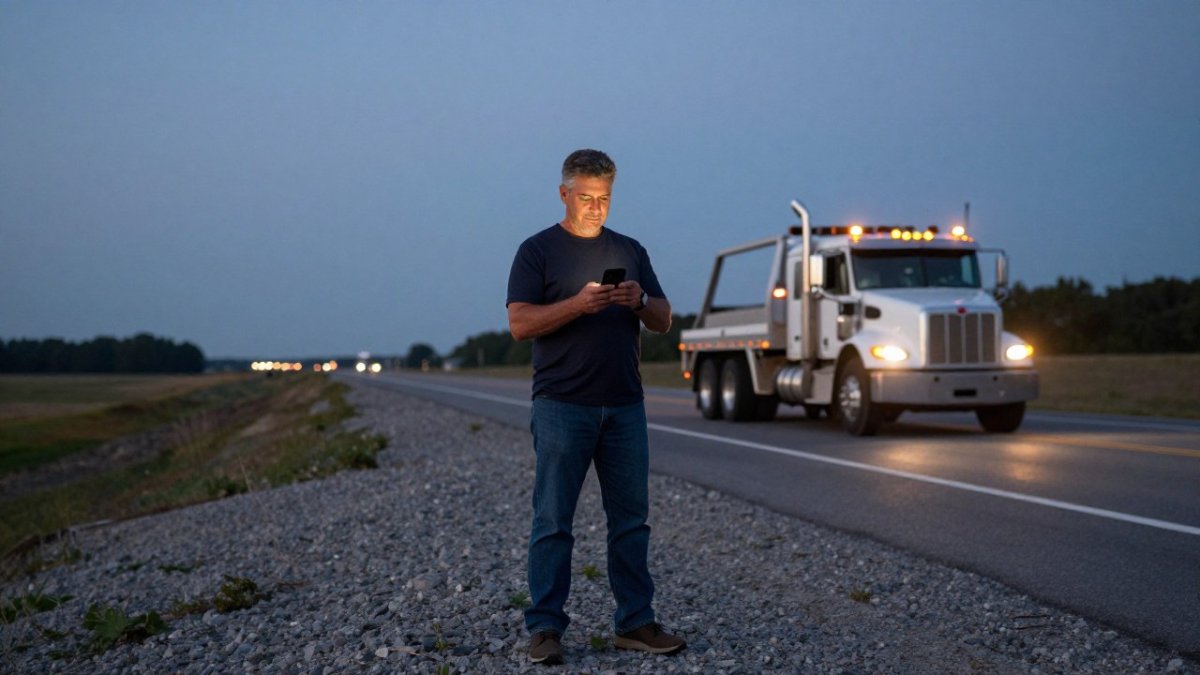
On demand towing lets a stranded driver request a tow truck from a phone, usually through an app or dispatch line, with no membership needed and the price quoted before dispatch. Seven common options differ mainly on booking method, coverage scope, fee structure, and trade-offs.
- App platforms are faster to set up, while phone dispatch works when data signal is weak.
- Compare the all-in quote, since low starting prices can exclude mileage and after-hours charges.
- Confirm the booking method, coverage list, written fees, and service area before you need help.
- Membership plans suit drivers who need coverage across several vehicles, not those who need help once a year.
Table of Contents
- How On-Demand Towing Works and Which Options Exist
- Comparing 7 On-Demand Towing Service Options
- The Four Comparison Points That Matter
- 1. RITA Rescue: Certified Tow Trucks, Live GPS and Upfront Quotes
- 2. Membership Plans: Good Sam, Better World Club, Nationwide and Travelers
- 3. Urgently: App Platform With Local Provider Network
- 4. Local Flatbed and Wrecker Operators
- 5. Insurance Roadside Add-Ons
- 6. Pay-Per-Service Apps and Dispatch Lines
- 7. Credit-Card and Auto-Club Perks
- Quick Screening Checklist
- Roadside Assistance Without Insurance: Pay-Per-Service Options
- Long-Distance Towing Cost and What Drives the Price
- Requesting Your Tow: What to Have Ready and Book Your Appointment
- Frequently Asked Questions
How On-Demand Towing Works and Which Options Exist
With on demand towing, a stranded driver can request a tow truck from a phone, usually through an app or a dispatch line, and track its arrival without a membership. Most requests go to a local operator who is available around the clock, and the price is quoted before the truck is dispatched. Knowing which type of service fits your situation saves time when you are standing on the shoulder of a highway.
App-Based Platforms Versus Direct Phone Dispatch
App-based platforms send your location and vehicle details to nearby operators, then show you a live map and an estimated arrival time. Phone dispatch means calling a towing company directly and describing your location to a dispatcher. To confirm a truck is certified before you accept it, see how to find certified tow trucks with seven verification steps.
Comparing 7 On-Demand Towing Service Options
Most guides list the ways to get a tow without ever putting them side by side. This one does. Below are seven common on-demand towing service options, compared on the four things that actually decide your experience: how you book, what is covered, how you pay, and where each option tends to fall short. Use the comparison points to screen providers before you are stranded, not after.
The Four Comparison Points That Matter
- Booking method: app, phone dispatch, membership card, or insurance claim line. Apps are fastest to start; phone dispatch works when data is weak; membership and insurance lines require you to be enrolled before the breakdown.
- Coverage scope: tow only, or tow plus flat-tire, jump-start, fuel delivery, lockout, and stuck-vehicle recovery. A cheap tow that leaves you paying separately for a jump-start is not cheap.
- Fee structure: flat base fee plus per-mile, hourly, after-hours surcharge, or membership prepaid. Ask which one applies before dispatch.
1. RITA Rescue: Certified Tow Trucks, Live GPS and Upfront Quotes
Our top pick for most drivers because it connects you directly to certified local tow trucks and technicians through one mobile app, 24/7. You get live turn-by-turn GPS tracking, transparent digital receipts, and upfront diagnostic price quotes before dispatch. Because this option charges per job rather than bundling coverage, comparing it with commercial roadside plans can clarify whether a membership better fits your driving needs.
2. Membership Plans: Good Sam, Better World Club, Nationwide and Travelers
Best for: drivers who want predictable coverage across several vehicles.
Skip if: you only need help once or twice a year.
3. Urgently: App Platform With Local Provider Network
Urgently connects drivers with local towing providers through an app, making it a platform alternative to calling a company yourself. Booking: app. Coverage: tow and selected roadside services through network providers. Fee structure: quoted per job through the platform. Trade-off: the truck you get is whichever network operator accepts, so equipment and arrival time vary by market.
4. Local Flatbed and Wrecker Operators
Local flatbed and wrecker operators advertise 24/7 availability and specialty towing, including motorcycle tows. Drivers in the area can find fast towing and flatbed help in Savannah, GA on the business’s own site. Booking: phone dispatch. Coverage: tow and recovery, with specialty equipment available on request. Fee structure: base fee plus mileage, often with after-hours and equipment surcharges. Trade-off: quality and pricing vary widely by operator, and the research we reviewed did not confirm current prices or arrival times for these providers, ask for a written quote before dispatch.
5. Insurance Roadside Add-Ons
Many auto insurers sell a roadside assistance rider on top of a policy. Booking: insurer claim or assistance line. Coverage: tow plus common roadside services, capped per incident. Fee structure: small premium add-on, with reimbursement or direct-pay depending on the insurer. Trade-off: you must file through the insurer, and caps can leave a long tow partly out of pocket.
6. Pay-Per-Service Apps and Dispatch Lines
Book a single job with no membership. Booking: app or phone. Coverage: whatever you order, tow, jump-start, fuel, lockout, or tire change. Fee structure: per-job quote. Trade-off: no prepaid protection, so a single long tow can cost more than a year of membership.
7. Credit-Card and Auto-Club Perks
Some credit cards and auto clubs include pay-per-use roadside dispatch as a cardholder benefit. Booking: benefit phone line. Coverage: tow and basic roadside, usually with a per-incident cap. Fee structure: included with the card or club, sometimes with a co-pay. Trade-off: coverage terms are buried in card agreements and caps are often low.
Quick Screening Checklist
Before you commit to any option, confirm: (1) the booking method works with your phone and data situation, (2) the coverage list matches the emergencies you actually face, (3) the fee structure is quoted in writing before dispatch, and (4) the service area and vehicle-size limits include your location and vehicle.
Watch out: a low advertised starting price can exclude mileage, after-hours, and specialty-equipment charges, so compare the all-in quote rather than the headline number.
The table below summarises how the seven options differ on booking, coverage and fees.
| Option | Booking | Key trade-off |
|---|---|---|
| RITA Rescue | App | Single-platform service |
| Membership plans | Enrolment | Commitment, skip if rarely needed |
| Urgently | App | Equipment and arrival vary by market |
| Local flatbed and wrecker | Phone dispatch | Pricing varies widely by operator |
| Insurance roadside add-ons | Insurer claim line | Caps can leave costs out of pocket |
| Pay-per-service apps and lines | App or phone | No prepaid protection |
| Credit-card and auto-club perks | Benefit phone line | Low caps buried in agreements |
Roadside Assistance Without Insurance: Pay-Per-Service Options
You do not need a membership or an insurance add-on to get a tow. On demand towing requests, booked through an app or by phone, charge only for the job you order. This approach suits infrequent drivers and anyone whose insurance does not include roadside coverage. Ask for the total price before the truck is sent, and confirm whether any extra fees apply after pickup.
Long-Distance Towing Cost and What Drives the Price
Long-distance towing is usually priced by distance, vehicle type, and the equipment required, but the total on your receipt is built from several line items. Understanding each one is the difference between a fair quote and a surprise. Ask any provider to itemize the following before dispatch.
The Line Items Behind a Long-Distance Quote
- Base or hook-up fee: a flat charge for dispatching a truck and securing the vehicle. It applies even for short pulls.
- Per-mile charge: the distance rate, typically applied from the pickup point to the drop-off. Confirm whether the rate starts at the truck’s origin or at your vehicle.
- After-hours surcharge: many operators add a premium for nights, weekends, and holidays. Ask whether the surcharge is flat or a percentage.
What Moves the Number Up or Down
Vehicle size and drivetrain are the biggest variables after distance. All-wheel-drive and low-clearance vehicles often require a flatbed to avoid driveline damage, which raises the equipment fee. Motorcycles and specialty vehicles need specific tie-down equipment. Access constraints, a tight parking garage, a soft shoulder, a locked gate, add labor time and can trigger recovery charges.
How to Read a Quote Before You Accept
A complete quote names the base fee, the per-mile rate and the estimated miles, any after-hours or equipment surcharge, and the drop-off address. If a dispatcher quotes only a single number, ask what it excludes.
Watch out: a quote that does not state the per-mile rate in writing can change once the truck is loaded, so get the itemized total before you authorize the tow.
Requesting Your Tow: What to Have Ready and Book Your Appointment
Before you request a tow, have your exact location, a description of the vehicle, your drop-off address and your payment method ready. You can also learn how to verify roadside assistance credentials before help arrives. Once you book, watch the live tracking map and confirm the driver’s arrival before you leave the vehicle. Book your tow through the RITA Rescue appointment page to request a truck directly, or review our full towing services to see what we offer before you book.
Frequently Asked Questions
What is the 80% rule in towing?
When comparing on-demand services, ask the operator which truck class they will send and whether the vehicle is within that truck’s capacity. RITA Rescue connects you to certified local tow trucks, and you can confirm vehicle requirements on the booking screen before dispatch.
Can you get roadside assistance without insurance?
Yes. Roadside assistance is available through paid membership plans and through pay-per-service providers that charge for each call, so an auto insurance policy is not required. Pay-per-service options let you request help only when you need it, which can suit drivers who rarely break down.
How do on-demand towing apps work?
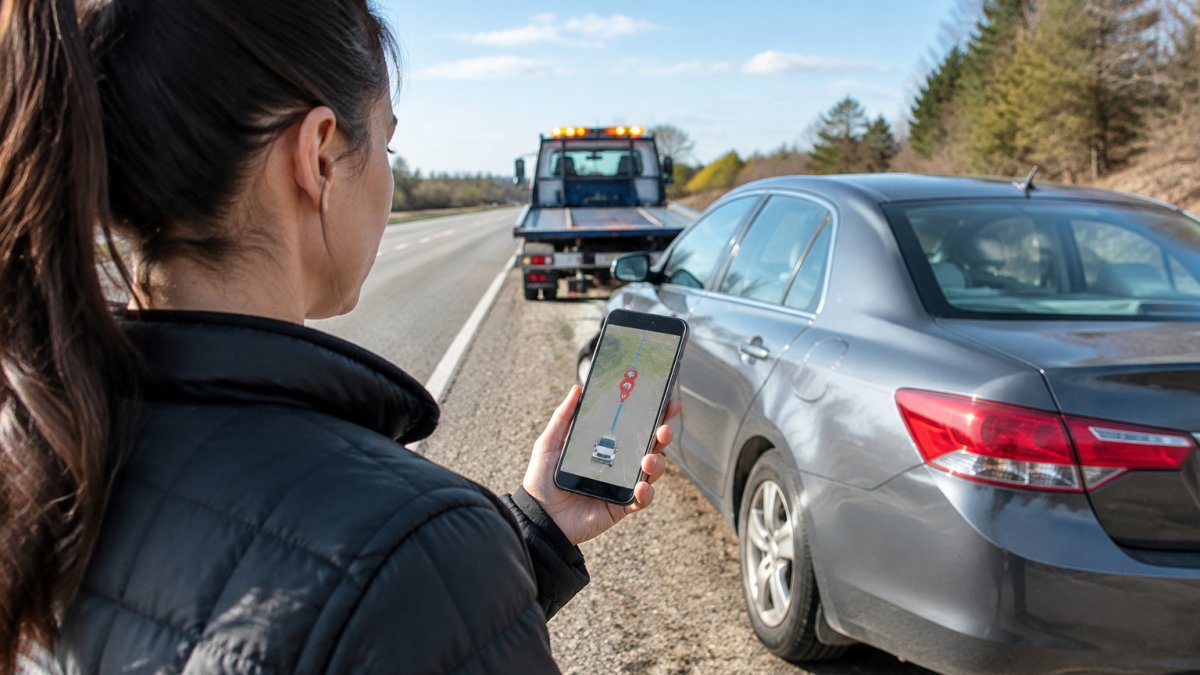
An on-demand towing app lets you describe your vehicle and location, then sends the request to available local tow operators. Once a driver accepts, many apps show a live map and estimated arrival time so you can track the truck. RITA Rescue offers live turn-by-turn GPS tracking and transparent digital receipts. Before you confirm, check whether the app shows an upfront quote and what it covers.
What should I compare when choosing an on-demand towing service?
Start with service coverage: whether the provider offers flatbed or wrecker towing, motorcycle towing, and tire or battery help. Next, check how quotes are presented and whether they are itemized, since extra charges are a common complaint. Compare estimated arrival times, 24/7 availability, and how the provider handles cancellations or missed arrivals. Finally, confirm the operator is certified and insured, and ask how they vet drivers before accepting a booking.
