

Call us: 866-RITA-TOW

Last Updated: November 7, 2026
Quick Summary
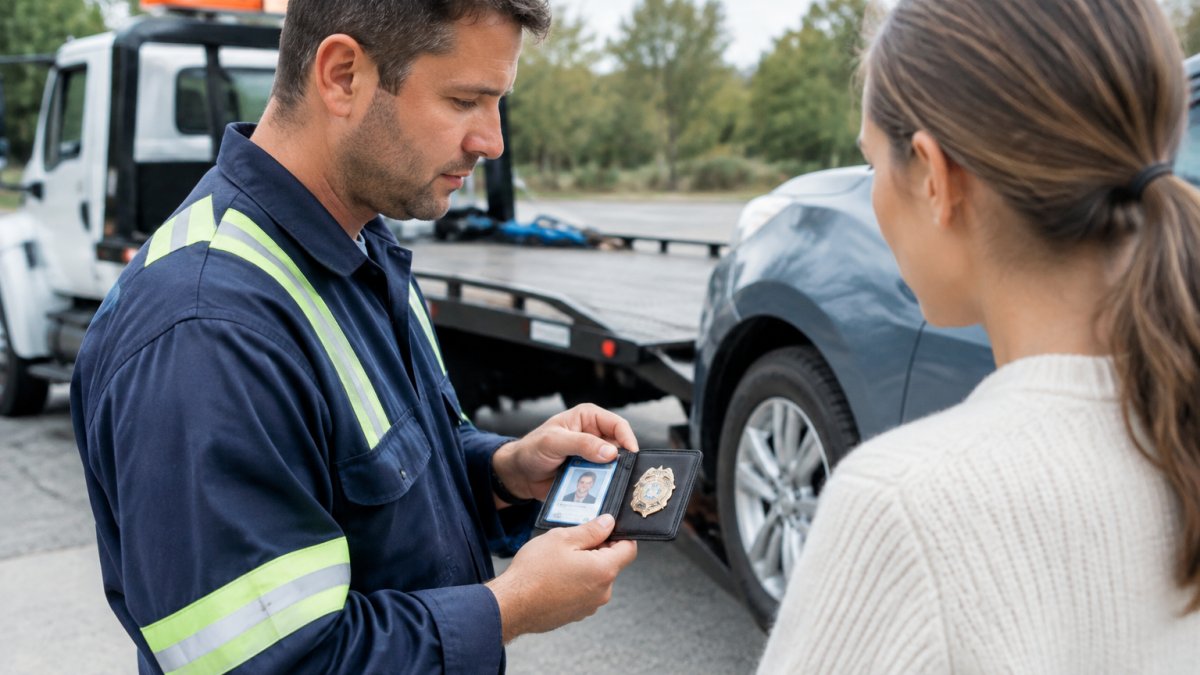
Verify roadside assistance credentials with a state licensing board lookup, a company dispatch callback, and an on-site ID check. Search your state’s motor carrier site, confirm the business entity on the secretary of state search, and call the number on the company’s own website rather than the one the driver gives you.
- A legitimate provider carries a business license and commercial auto insurance and will show both without hesitation.
- Dense metro areas often require a city tow permit on top of the state license.
- If credentials cannot be verified, do not let the work begin and call dispatch yourself.
- Keep the dispatch confirmation, driver name and ID number, photos, written estimate, and payment receipt.
- A written estimate before work starts is your best protection in a dispute.
Who’s actually coming to help your car?RITA Rescue connects you to certified local tow trucks and technicians with live tracking.
Table of Contents
- How to Verify Roadside Assistance Credentials Online
- How to Check Roadside Assistance Coverage
- Roadside Assistance Provider License and Insurance
- How to Verify Roadside Assistance Credentials Online
- What to Do When Credentials Cannot Be Verified
- Roadside Assistance Scam Warning Signs
- Credential Requirements by Service and Location
- Documentation and Dispute Resolution
- Frequently Asked Questions
How to Verify Roadside Assistance Credentials Online
Verify roadside assistance credentials with a state licensing board lookup, a company dispatch callback, and an on-site ID check.
How to Check Roadside Assistance Coverage
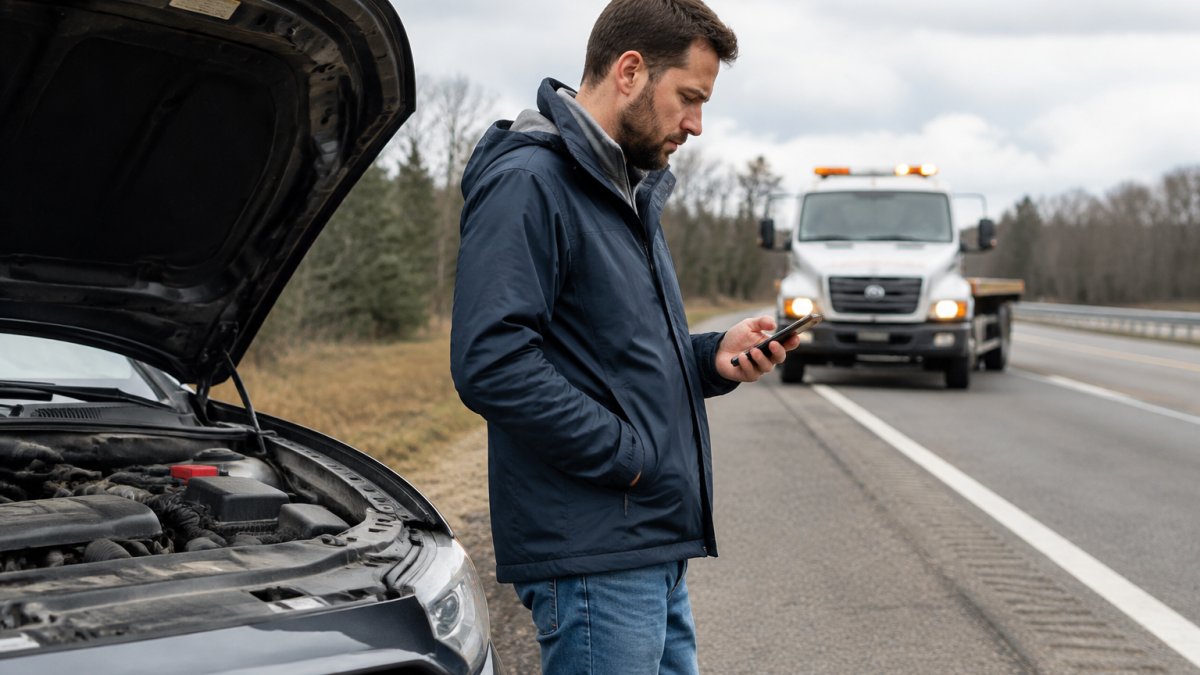
Start with your auto insurance declarations page, credit card benefits, and any standalone membership. Ask how far they will tow and what is excluded, tire changes, fuel delivery, and lockouts are often separate line items. Check the coverage details.
Roadside Assistance Provider License and Insurance
A legitimate provider carries a business license and commercial auto insurance and will show both without hesitation; licensing varies by state. An unmarked truck with a mismatched plate is a real warning sign. Review the listed services, and if something feels off, contact the company directly before the truck moves.
How to Verify Roadside Assistance Credentials Online
Online checks catch obvious fakes but not a good impersonator, so pair them with a phone call. Search your state’s motor carrier site, confirm the business entity on the secretary of state search, and call the number on the company’s own website, not the one the driver gave you. The callback stops the most fraud. Track the tow truck location step by step, and read our guide on how to find certified mechanics.
What to Do When Credentials Cannot Be Verified
Do not let the work begin. Call dispatch yourself, refuse service if the story does not match, call your insurer for a verified dispatch, note the plate and driver description, and report the incident to your state’s consumer protection office. You may lose time. You will not lose your car.
Roadside Assistance Scam Warning Signs
Most roadside scams follow the same script. Learn it and you will spot it in seconds.
| Warning Sign | What It Looks Like | What to Do |
|---|---|---|
| Unrequested arrival | A truck shows up before you called anyone | Decline and call your provider |
| No company markings | Plain truck, no name, no plate visible | Ask for ID and license number |
| Cash-only demand | Wants payment before the hook-up | Refuse and call dispatch |
Also watch for bait-and-switch pricing after the hook-up and blank work orders.
Credential Requirements by Service and Location
Requirements change with the job and the state. A jump-start on a city street is a lighter ask than a long-distance tow on an interstate.
| Service | Typical Credential Check | Why It Matters |
|---|---|---|
| Jump-start | Driver ID, company name | Low risk, still confirm identity |
| Local tow | State tow license, commercial auto insurance | Vehicle leaves your sight |
| Long-distance tow | Motor carrier authority, interstate registration | Crosses state lines |
Dense metro areas often require a city tow permit on top of the state license, while rural areas may have lighter licensing, ask what permit the driver holds for your area.
Documentation and Dispute Resolution
Keep a paper trail from the first phone call: the dispatch confirmation, driver name and ID number, photos of the truck, plate, and any damage, the written estimate and final invoice, and your payment receipt. If a dispute comes up, start with the company in writing; if that fails, file a complaint with your state’s consumer protection office or tow licensing agency, including the plate number and date. A written estimate before work starts is your best protection. Keep the estimate and invoice with the rest of your records, and verify mechanic certifications before authorizing any related repair work.
Roadside trouble is stressful enough without wondering who just showed up. Verify first: check the license, call dispatch, ask for ID. RITA Rescue connects you directly to certified local tow trucks and technicians with live GPS tracking and transparent digital receipts. Get started with RITA Rescue and know who is helping before the truck arrives.
Frequently Asked Questions
How do I check to see if I have roadside assistance?
Look at your auto insurance policy declarations page, your credit card benefits guide, or any membership card you carry. Call the number on the card and ask the agent to confirm active coverage and what services it includes. If you booked through an app, open the app and check your active plan. Ask for the policy or membership number and the dispatch phone number so you have it before a breakdown happens.
How can I verify a roadside assistance provider’s credentials?
Ask the dispatcher for the technician’s name, company, and license or certification number before the truck arrives. Then check your state’s licensing database or the company’s website for that number. Confirm the business carries current liability insurance. When the technician arrives, match the name and company on the truck to what dispatch told you, and ask to see photo identification.
What are common roadside assistance scam warning signs?
Watch for technicians who show up without being dispatched, demand cash before any work begins, refuse to give a company name or receipt, or quote a price that changes once your car is hooked up. Other red flags include unmarked trucks, no visible license plate, and pressure to sign a waiver on the spot. Legitimate providers give you a written or digital estimate first. If any of these appear, call your provider’s dispatch line and confirm the job before you hand over keys.
